
A Rapid Rise in the 2026 Class
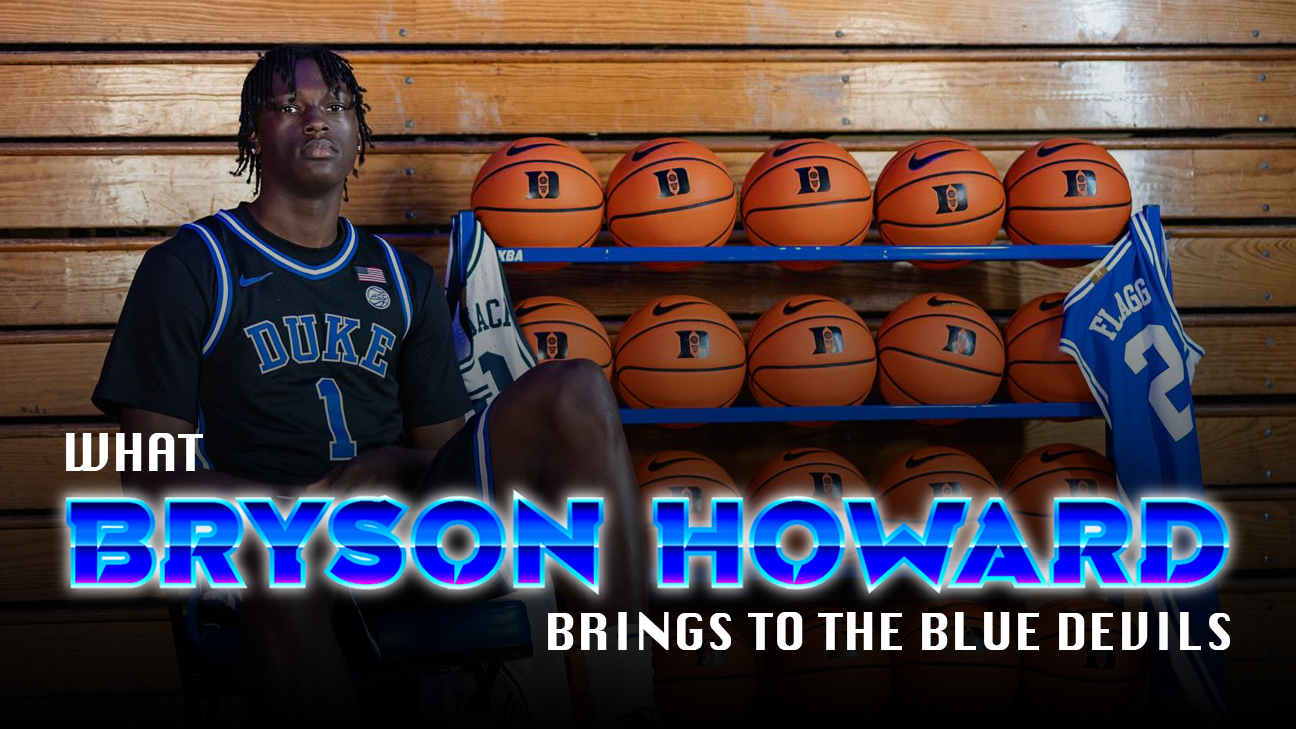
Bryson Howard’s commitment brought more than just another highly ranked prospect to Duke. It gave the Blue Devils one of the fastest-rising wings in the country, a player whose style fits well with the direction Jon Scheyer is charting for the program.
By the end of the 2026 cycle, Howard transformed from a name gradually climbing recruiting boards into a recognized national prospect, seen as one of the most complete perimeter players in his class. The 247Sports Composite ranked him as the No. 12 overall player in the nation. Evaluators consistently praised his shooting, length, versatility, and overall game feel. More importantly, Howard appears to be the kind of player who thrives at Duke due to how naturally his skills contribute to winning basketball.
The Modern Wing Duke Prioritizes
Standing at 6-foot-5 with long arms and a refined offensive game, Howard fits the modern wing profile that Duke has prioritized under Scheyer. He can shoot from long range, attack closeouts, move without the ball, and defend various positions. This blend of skills has become increasingly valuable as Duke focuses on building lineups around positional size and versatility, moving away from reliance on traditional guard play.
Howard’s rise over the past year further highlights how high recruiting services are on his long-term potential. During the Nike EYBL season with Pro Skills, he emerged as one of the better perimeter scorers on the circuit. He showed improved athleticism and efficiency while proving capable of impacting games both on and off the ball. Evaluators noted the smoothness of his jumper and his ability to create offense within a team structure rather than needing the ball in his hands all the time.
Bryson Howard
- SG/SF
- 6’4, 190lbs
- Frisco, TX
- Frisco Heritage
A Strong Fit Within Duke’s Roster Construction
This is significant at Duke.
 The Blue Devils’ roster is increasingly designed with interchangeable pieces who can play quickly, defend, and make fast decisions on offense. Howard fits well into that system. With Deron Rippey Jr. expected to pressure defenses and create opportunities in the paint, Howard’s shooting should quickly become a major asset. Rippey’s ability to break down defenses creates opportunities for wings who can space the floor and capitalize on openings, and Howard looks comfortable in those situations.
The fit alongside Duke’s frontcourt players is also crucial. Players like Joaquim Boumtje-Boumtje and Maxime Meyer bring size and potential, but modern offenses still rely on perimeter players who can keep the floor spaced. Howard’s ability to score and connect plays gives Duke lineup flexibility without losing offensive flow.
Defensive Versatility and Two-Way Potential
While Howard’s offensive potential stands out, his defensive ability may ultimately determine how quickly he earns significant playing time. Duke has clearly focused on length and versatility defensively over recent recruiting cycles, and Howard directly aligns with that philosophy. His length allows him to guard multiple perimeter positions, and his energy gives him potential as a disruptive team defender. He is not coming to Durham as just a scorer. He has the skills to make an impact on both ends of the court early in his career.
ACC Roots Through Josh Howard
 There’s also a unique aspect to Howard’s story that makes his commitment interesting within the ACC. Howard is the son of former Wake Forest star Josh Howard, one of the ACC’s best players in the early 2000s before becoming an NBA All-Star with the Dallas Mavericks. Josh’s connection to the conference gives Bryson a familiarity with ACC basketball that few prospects possess when entering college. He grew up around high-level basketball, knows the expectations of major programs, and has seen what it takes to succeed in both college and professional basketball.
That background reflects in Howard’s playing style. He shows maturity and patience that stand out for a player his age. He doesn’t rush his offense and knows how to influence possessions without forcing plays. These traits tend to work well in college basketball, especially on talented teams where embracing roles and adaptability are crucial.
Another Example of Duke’s Team-Building Philosophy
His commitment also continues an important trend for Scheyer: putting roster cohesion ahead of star power. Duke’s class is not just a collection of highly rated players. The pieces fit together in terms of style. Rippey adds pace and downhill creation. The frontcourt players bring length and versatility. Howard provides a wing who can space the floor, defend, and connect plays offensively. Every strong roster needs players who elevate the talent around them, and Howard is projected to be that type of player.
The recruiting rankings affirm his talent. The roster fit shows why this commitment is so significant. Howard may not arrive with the same immediate spotlight as some recent Duke freshmen, but his overall game gives him a chance to become one of the most important players in his class over time. His versatility, shooting, defensive potential, and basketball background all match the type of player Duke has increasingly targeted under Scheyer. With ACC roots already a part of his background, Howard enters Durham looking less like a player adjusting to the conference and more like one ready to embrace it.